
EV vs Petrol Running Costs in South Africa 2026: What Buyers Should Know
EV vs Petrol Running Costs in South Africa 2026
Comparing the Costs of Electric and Petrol Vehicles in the 2026 Market
As South Africa approaches 2026, the automotive landscape is evolving swiftly, especially concerning running costs for electric vehicles (EVs) and petrol cars. With the government pushing for greener alternatives and the infrastructure for EVs rapidly expanding, potential car buyers and dealerships must understand the financial implications of each option.
In 2026, the cost of owning an electric vehicle is projected to be significantly lower than that of traditional petrol vehicles. The South African government continues incentivizing EV adoption, leading to reduced tax rates on EV purchases and lower registration fees. As a result, buyers are likely to see a growing number of affordable electric models entering the market, alongside established petrol vehicles like the Volkswagen Polo models and the Toyota Fortuner. This shift is expected to influence consumer choices as running costs become a primary consideration.
Key Trends for 2026
Several trends are shaping the automotive market in South Africa as we move into 2026. Firstly, fuel prices are anticipated to rise, primarily due to global oil market fluctuations and local economic factors. This increase will inevitably lead to higher running costs for petrol vehicles, making alternatives like EVs more attractive. Currently, petrol prices hover around R20 per liter, but projections indicate a potential rise to R25 by mid-2026, significantly impacting monthly fuel expenses for traditional car owners.
On the other hand, the cost of electricity is expected to remain stable, with an average kilowatt-hour rate of around R1.50. EV owners will benefit from lower charging costs, especially with the growing availability of public charging stations and home charging solutions. Moreover, many EV models are designed for efficiency, allowing them to cover more kilometers per charge compared to the range offered by petrol cars on a full tank.
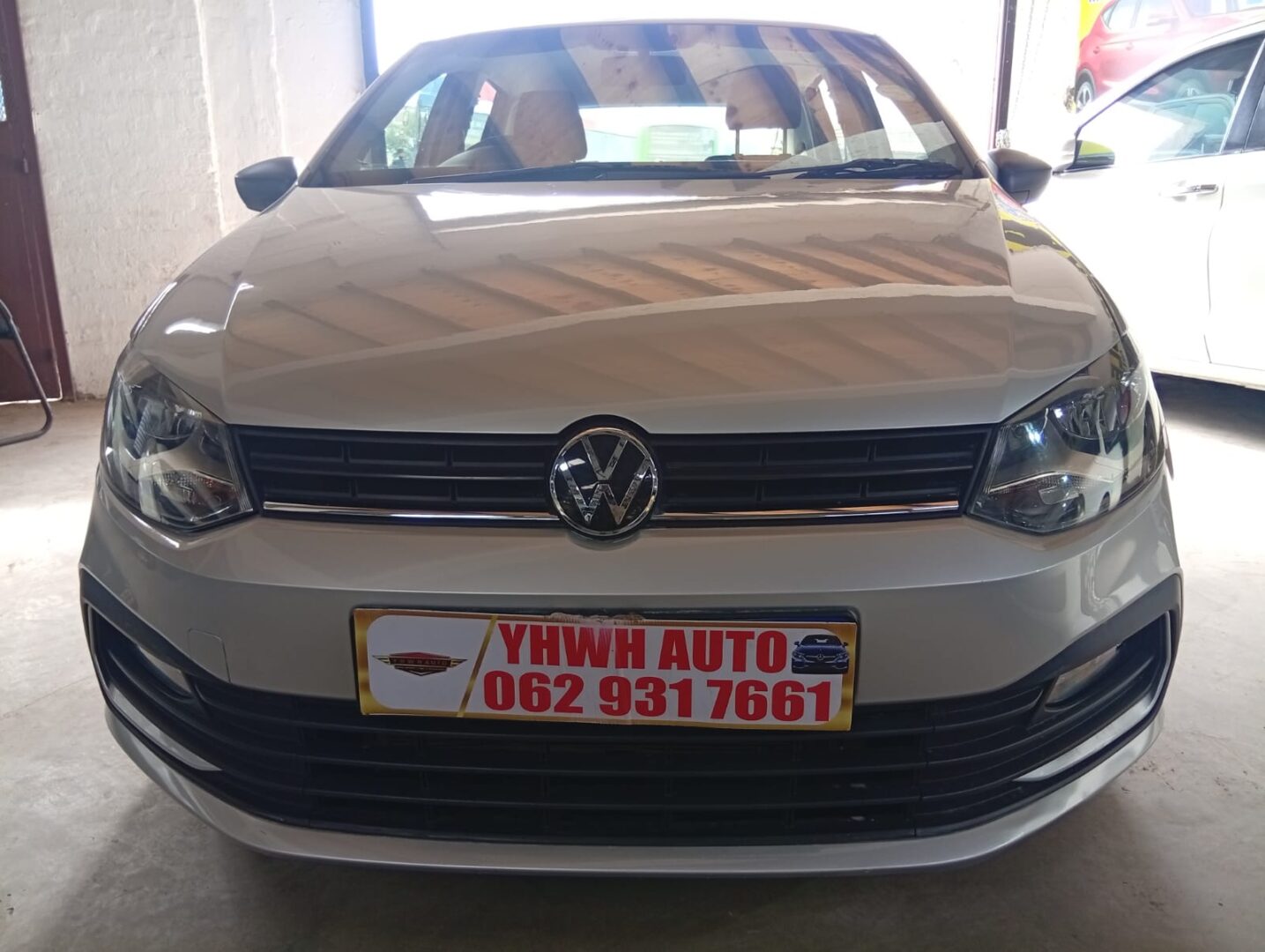
Additionally, the total cost of ownership for EVs is becoming increasingly favorable. While the initial purchase price for electric models may be higher than their petrol counterparts, the long-term savings on fuel, maintenance, and insurance can make EVs a financially savvy choice. For instance, while a 2026 VW POLO VIVO may cost R165,000 upfront, the long-term operational costs will likely surpass that of an equivalent EV, especially as petrol prices continue to rise.
Maintenance costs for petrol vehicles are generally higher. The engines, gearboxes, and exhaust systems require regular servicing, while EVs have fewer moving parts, translating to lower maintenance needs and costs over time. As a result, dealerships like TAE Auto Dealership and Boksburg Car Sales will need to adapt their offerings and services to cater to the increasing demand for electric vehicles.
Conclusion
As South Africa readies itself for a more sustainable automotive future in 2026, the financial landscape for car buyers will continue to evolve. The running costs of electric vehicles are set to remain lower than their petrol counterparts, encouraging more consumers to make the switch to EVs. For dealerships, understanding these trends and adjusting their inventories and marketing strategies will be crucial in meeting the demands of an increasingly environmentally conscious market. With the rise of EV options and the expected increase in petrol prices, it will be essential for buyers to weigh their options carefully as they navigate the 2026 automotive market.


Browse thousands of quality vehicles from trusted dealerships across South Africa.
