
EV vs Petrol Running Costs in South Africa: A 2026 Perspective
EV vs Petrol Running Costs in South Africa: A 2026 Perspective
Subtitle / Overview summarising the 2026 market situation
As we move deeper into 2026, South African car buyers and dealerships are faced with a pivotal decision: should they invest in electric vehicles (EVs) or stick with traditional petrol-powered cars? With fluctuating fuel prices, evolving infrastructure, and changing consumer preferences, the running costs of these vehicle types have become a crucial factor in this decision-making process.
The landscape for both EVs and petrol vehicles is transforming. While petrol prices have remained relatively volatile, the cost of electricity has shown more stability, making EVs an increasingly attractive option for budget-conscious consumers. In this article, we will explore the running costs associated with both types of vehicles in South Africa in 2026, providing valuable insights for buyers and dealerships alike.
Key Trends for 2026
In 2026, we see a significant shift in the automotive market. The sale of EVs has surged, spurred by government incentives, improved battery technology, and a growing number of charging stations. The South African government has implemented various subsidies to encourage the adoption of electric vehicles, making them more accessible to the average consumer. This trend is reflected in the increasing availability of models, with car dealerships like Automar Pty and CITTON CARS GEZINA expanding their EV offerings to meet demand.
On the other hand, petrol vehicles remain prevalent, partly due to the established infrastructure and familiarity among consumers. However, rising fuel prices are a concern. In 2026, the average petrol price has climbed significantly, prompting many to reconsider the long-term expenses associated with petrol vehicles. For instance, popular models such as the Volkswagen Polo and the Ford Everest have become more expensive to run, leading potential buyers to weigh the advantages of EVs more seriously.
When analyzing the running costs, it’s essential to consider factors such as maintenance, fuel/electricity prices, and depreciation. EVs typically have lower maintenance costs due to fewer moving parts and less wear and tear. In contrast, petrol vehicles may incur higher service costs, particularly as they age. Moreover, with the average price of electricity being more stable than petrol in 2026, the cost-per-kilometre for EVs is becoming more appealing. For instance, charging an EV can often cost less than R2 per kilometre compared to R3 or more for petrol vehicles, depending on the fluctuating petrol prices.
However, it’s not just about running costs. Charging infrastructure is expanding rapidly across South Africa, making it easier for EV owners to charge their vehicles at home and on the go. This growth in charging stations is crucial in addressing range anxiety, a common concern among potential EV buyers. Dealerships such as Authentique Autos are now providing information on charging options for their electric models, helping consumers make informed decisions.
Conclusion
As we navigate through 2026, the choice between EVs and petrol vehicles will increasingly hinge on running costs and personal preferences. With petrol prices expected to remain high and the cost of EV ownership becoming more competitive, many South African car buyers are likely to lean towards electric vehicles. For dealerships, adapting to this shift by enhancing EV inventories and providing comprehensive information will be vital. Ultimately, whether opting for a petrol model like the 2020 BMW 320d or an electric vehicle, understanding the financial implications will empower consumers to make better choices for their wallets and the environment.
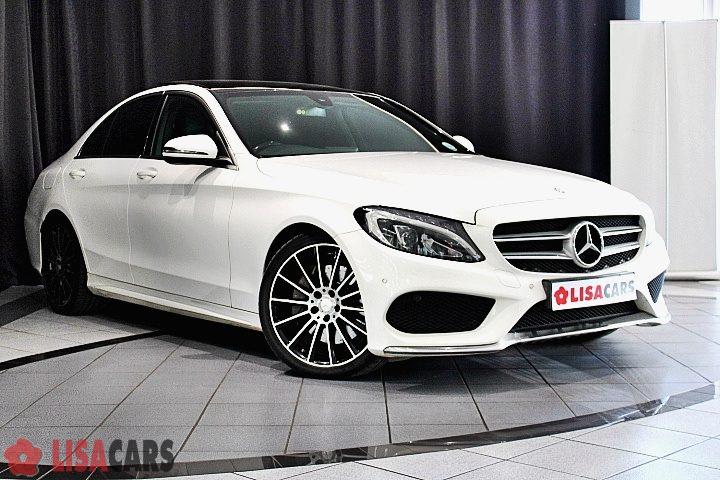


Browse thousands of quality vehicles from trusted dealerships across South Africa.
