
Five-Year Cost to Own Cars in South Africa
Five-Year Cost to Own Cars in South Africa: Compare the purchase price with finance, fuel, insurance, servicing, repairs and expected resale value. Compare pr
Understanding the total cost of owning a car over five years is crucial for South African buyers. This guide breaks down the various expenses involved, from purchase price to maintenance, helping you make informed decisions. We’ll illustrate calculations, highlight scenarios, and provide essential records to request from sellers, ensuring you grasp the financial implications of your vehicle choice.
Total Ownership Cost Breakdown
The total cost of owning a car in South Africa over five years includes several key components: purchase price and depreciation, finance costs, fuel or energy expenses, insurance premiums, licensing fees, servicing costs, tyre replacements, and repairs. Each of these factors varies based on the vehicle model, driving patterns, and market conditions.
- Purchase price and depreciation
- Finance costs
- Fuel or energy expenses
- Insurance premiums
- Licensing fees
- Servicing costs
- Tyre replacements
- Repairs
Detailed Breakdown of Ownership Costs
1. **Purchase Price and Depreciation**: The initial cost of the vehicle is a significant factor. Depreciation typically occurs at a rate of 15-20% per year for the first five years. For instance, a car purchased for R300,000 might be worth R150,000 after five years.
2. **Finance Costs**: If you finance your vehicle, interest rates can vary. For example, a loan of R300,000 at an interest rate of 10% over five years could result in total finance costs of around R80,000, depending on the terms.
3. **Fuel or Energy Expenses**: Fuel costs depend on the vehicle's fuel efficiency and your driving habits. Assuming a fuel price of R20 per litre and a consumption of 8 litres per 100 km, driving 15,000 km per year would cost approximately R24,000 over five years.
4. **Insurance Premiums**: Insurance costs vary widely based on the vehicle's make, model, and your driving history. On average, insurance might cost between R8,000 and R15,000 annually.
5. **Licensing Fees**: These fees are generally low but can vary by province. Expect to pay around R1,500 annually for a standard vehicle.
6. **Servicing Costs**: Regular servicing can cost between R3,000 and R5,000 annually, depending on the vehicle's age and type.
7. **Tyre Replacements**: Tyres typically need replacement every 40,000 to 60,000 km. Budget around R10,000 for a full set over five years.
8. **Repairs**: Unexpected repairs can vary, but setting aside R5,000 annually is a prudent measure.
- Depreciation rates vary by model and market conditions.
- Finance costs depend on loan terms and interest rates.
- Fuel prices fluctuate based on global oil markets.
- Insurance premiums can be influenced by personal factors.
- Servicing costs can increase with vehicle age.
Illustrative Calculation Example
Let's assume the following editable assumptions for a mid-range vehicle:
1. Purchase Price: R300,000
2. Depreciation Rate: 15% per year
3. Finance Rate: 10% over five years
4. Annual Mileage: 15,000 km
5. Fuel Price: R20 per litre
6. Fuel Consumption: 8 litres/100 km
7. Insurance: R10,000 annually
8. Servicing: R4,000 annually
9. Tyres: R10,000 over five years
10. Repairs: R5,000 annually
Using these assumptions, the total five-year cost to own would be calculated as follows:
| Cost Component | Total Cost (R) |
|---|---|
| Depreciation | R150,000 |
| Finance Costs | R80,000 |
| Fuel Costs | R24,000 |
| Insurance | R50,000 |
| Licensing | R7,500 |
| Servicing | R20,000 |
| Tyres | R10,000 |
| Repairs | R25,000 |
| **Total Cost** | **R366,500** |
Model-Year and Derivative Differences
Different model years and derivatives of the same vehicle can significantly affect ownership costs. Newer models may have better fuel efficiency and lower maintenance costs, while older models may depreciate faster. Additionally, derivatives with more features often come with higher insurance and servicing costs.
- Always compare similar derivatives for accurate cost assessments.
- Check for recalls or common issues in specific model years.
- Consider the resale value of different derivatives.
Driving Patterns Impacting Costs
Your driving habits can greatly influence fuel consumption, servicing frequency, and repair costs. For example, city driving typically results in higher fuel consumption compared to highway driving. Regular short trips may lead to more frequent servicing needs.
- Track your fuel consumption to identify trends.
- Consider eco-driving techniques to reduce fuel costs.
- Plan for servicing based on your driving patterns.
Best, Expected, and Higher-Cost Scenarios
1. **Best-Case Scenario**: A well-maintained vehicle with low depreciation, excellent fuel efficiency, and minimal repairs could cost around R300,000 over five years.
2. **Expected Scenario**: A typical mid-range vehicle with average depreciation and maintenance might cost approximately R366,500.
3. **Higher-Cost Scenario**: A luxury vehicle with high depreciation, expensive repairs, and high insurance could exceed R500,000 over five years.
- Consider potential resale value when buying.
- Evaluate total cost against your budget and needs.
- Be prepared for unexpected expenses.
Records to Request from the Seller
When purchasing a vehicle, it's essential to request specific records to ensure transparency and avoid future costs. These include:
1. Service history records.
2. Previous accident reports.
3. Warranty documents.
4. Licensing and registration papers.
5. Tyre replacement records.
- Verify service history with the dealership or service centre.
- Check for outstanding recalls.
- Request a vehicle history report.
Five-Year Cost to Own Checklist
- Calculate the purchase price and expected depreciation.
- Estimate finance costs based on your loan terms.
- Project fuel costs based on your driving habits.
- Get insurance quotes for different vehicles.
- Account for licensing fees in your budget.
- Plan for regular servicing and unexpected repairs.
- Request all relevant records from the seller.
Mistakes to avoid
Ignoring Depreciation
Many buyers overlook how much value a car loses over time. Understanding depreciation helps you make better resale decisions.
Underestimating Fuel Costs
Failing to accurately estimate fuel expenses can lead to budget shortfalls. Always consider your driving patterns.
Neglecting Insurance Variability
Insurance costs can vary significantly by vehicle type and driver history. Always get multiple quotes.
Overlooking Maintenance Records
Not checking the service history can lead to unexpected repair costs. Always request these records before purchase.
Frequently asked questions
What is the average depreciation rate for cars in South Africa?
Typically, cars depreciate at a rate of 15-20% per year, but this can vary based on the make and model.
How can I reduce my car ownership costs?
Consider fuel-efficient vehicles, maintain your car regularly, and shop around for insurance.
What factors influence car insurance premiums?
Insurance costs are influenced by the vehicle's value, your driving history, and the coverage level you choose.
Is it worth buying a used car?
Used cars can offer significant savings, but ensure you check their history and condition to avoid hidden costs.
How often should I service my car?
Generally, cars should be serviced every 10,000 to 15,000 km or annually, whichever comes first.
Official information to verify
Important: This content is based on general trends and averages; actual costs may vary by vehicle, location, and individual circumstances. Always verify specific figures and conditions before making financial decisions.
Search cars your way
Five-Year Cost to Own Cars in South Africa is a practical SearchMyRide resource for South African motorists. Compare the purchase price with finance, fuel, insurance, servicing, repairs and expected resale value.
The page combines clear decision criteria, realistic limitations and—where relevant—live SearchMyRide inventory. Figures and eligibility information are planning guidance rather than a quote, formal valuation, platform approval or lender decision.
Purchase price is only the starting point
A useful ownership estimate combines finance interest and fees, fuel or electricity, insurance, licensing, tyres, servicing, likely wear items and the value expected when the car is sold.
Use realistic driving assumptions
Calculate with your actual kilometres, city/highway mix, fuel price, parking, tolls and ownership period. Higher mileage can increase fuel, tyre and service costs while changing resale value.
Build a repair allowance
Even reliable cars need wear-and-tear items. The allowance should rise for older, high-mileage, performance, diesel, luxury or complex vehicles and should not be confused with routine servicing.
Comparison checklist
Purchase and finance cost
Fuel or energy
Insurance estimate
Routine servicing
Repair allowance
Estimated resale value
Before you decide
- Compare at least three genuinely similar vehicles, quotes or options.
- Ask for supporting documents and important claims in writing.
- Budget for insurance, registration, fuel or charging, maintenance and unexpected repairs.
- Use an independent inspection where condition or mechanical risk matters.
- Use SearchMyRide tools and live listings as research support, not a guarantee.
Compare cars related to this guide

2006 Porsche Cayman
R589,900
Kempton Park, Gauteng

2013 Volkswagen Polo Vivo
R104,900
Kempton Park, Gauteng

2013 Volkswagen Polo
R119,900
Kempton Park, Gauteng

2020 BMW X3
R389,900
Kempton Park, Gauteng
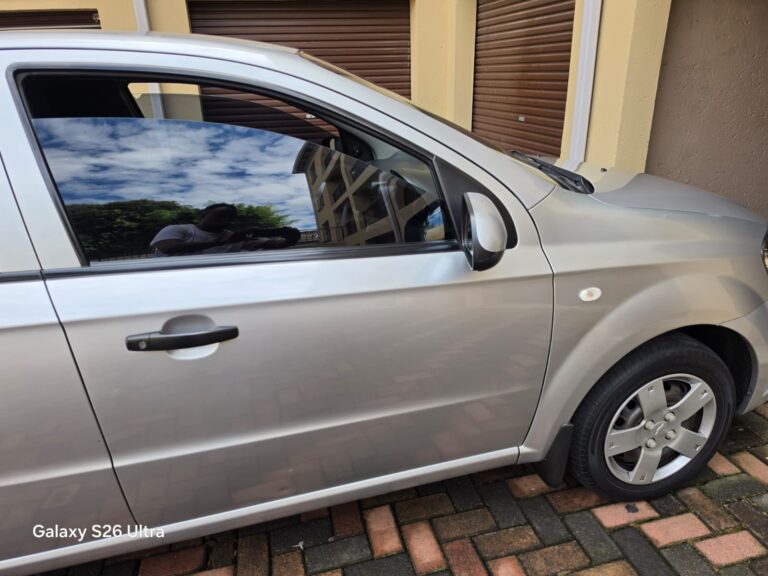
2008 Chevrolet Aveo
R80,000
Johannesburg, Gauteng

2015 Volkswagen Polo GP
R189,900
Kempton Park, Gauteng

2018 Volkswagen Polo
R239,900
Kempton Park, Gauteng

2017 Mercedes-Benz C180
R239,900
Kempton Park, Gauteng

2012 BMW X1
R169,900
Kempton Park, Gauteng
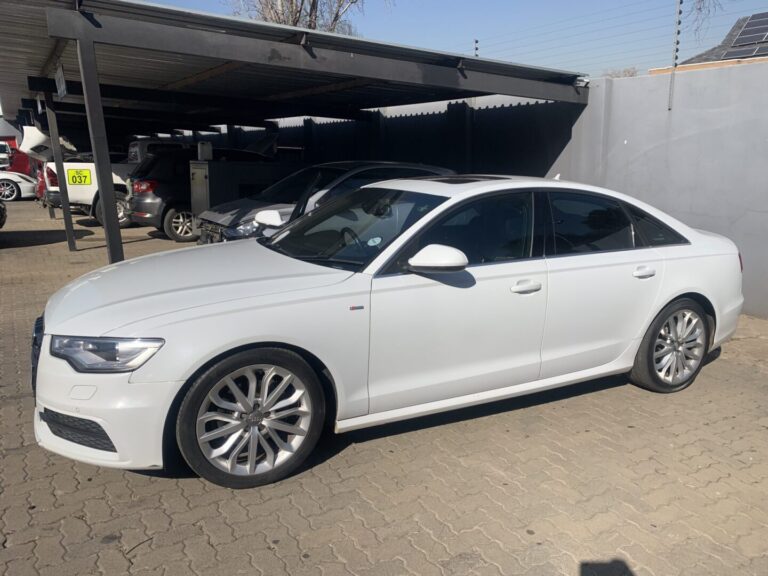
2015 Audi A6
R160,000
Kempton Park, Gauteng
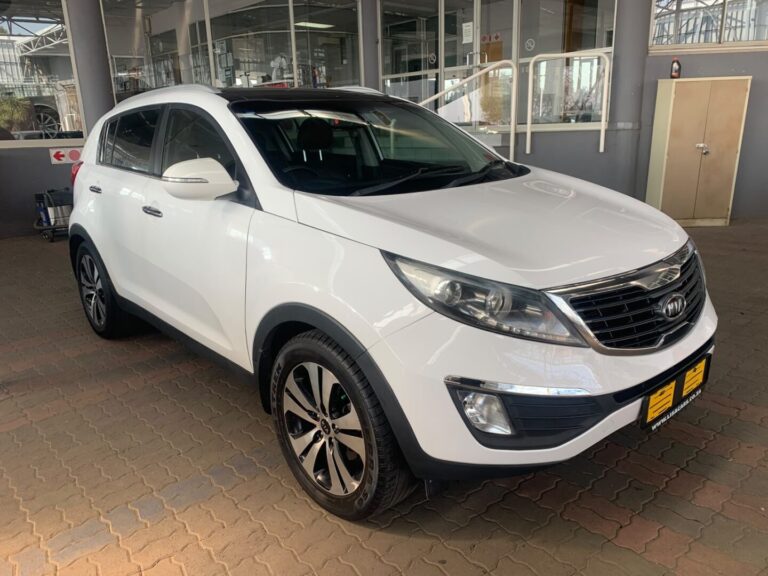
2012 Kia Sportage
R159,900
Kempton Park, Gauteng
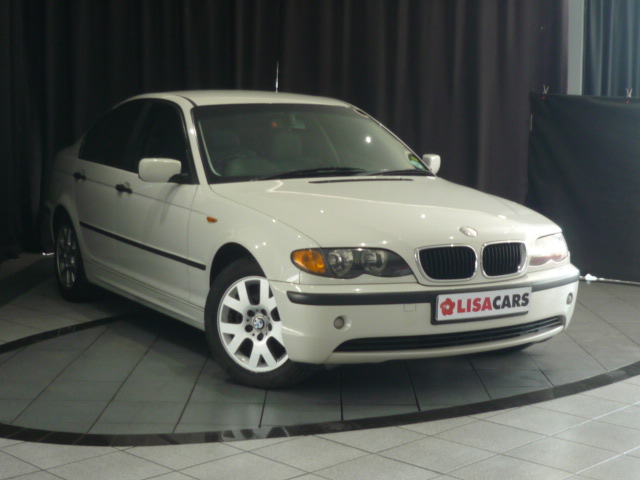
2002 BMW 318I
R95,900
Kempton Park, Gauteng
Questions buyers often ask
How should I use this Five-Year Cost to Own Cars in South Africa guide?
Are the prices or costs guaranteed?
Can I compare live cars on SearchMyRide?
What should I verify independently?
Continue exploring SearchMyRide
Browse closely related guides and useful SearchMyRide resources for your next step.
