
Ford Ranger Common Problems
Research common Ford Ranger problems, buyer checks, service history tips and used listings on SearchMyRide.
The Ford Ranger is a popular choice among South African drivers, but like any vehicle, it has its share of common issues. Understanding these problems can help you make informed decisions whether you're buying, selling, or maintaining one. This guide will outline the most frequently reported issues, how to identify them, and when to consider walking away from a deal.
Common Problems Overview
The Ford Ranger is generally reliable, but owners have reported issues across various components. Key areas to inspect include the engine, transmission, electronics, suspension, cooling system, and bodywork. Knowing these common problems can help you negotiate better when purchasing or maintaining a Ranger.
- Engine oil leaks
- Transmission shifting issues
- Electrical faults
- Suspension wear
- Cooling system failures
Understanding Reliability
Reliability in vehicles refers to the likelihood of a car performing well over time without significant issues. It's important to note that reliability can vary widely based on the model year, derivative, and individual vehicle maintenance history. Therefore, it's essential to avoid blanket statements about the Ford Ranger's reliability.
- Consider the specific model year and derivative.
- Review owner feedback and verified recalls.
Owner-Reported Patterns vs. Verified Recalls
While many Ford Ranger owners report common issues, it's crucial to distinguish between these owner-reported patterns and verified recalls issued by Ford. Recalls are typically addressed by the manufacturer and may involve free repairs or replacements, while owner-reported issues may stem from maintenance neglect or wear and tear.
- Check for any outstanding recalls on the specific model.
- Review service history for maintenance neglect.
Common Issues by Component
Identifying issues by component can help you focus your inspection efforts. Here are some common problems associated with each category:
1. **Engine**: Look for oil leaks, especially around the valve cover and oil pan. Some owners report excessive oil consumption in certain model years.
2. **Transmission**: Issues with shifting, particularly in automatic transmissions, can be prevalent. Listen for unusual noises during gear changes.
3. **Electronics**: Faulty sensors and electrical gremlins can affect everything from the infotainment system to engine performance.
4. **Suspension**: Worn bushings and shock absorbers can lead to a rough ride and poor handling.
5. **Cooling System**: Overheating can be a concern, particularly in older models. Inspect hoses and the radiator for leaks.
6. **Body**: Check for rust, particularly in older models or those exposed to harsh conditions.
- Inspect engine oil levels and leaks.
- Test drive to assess transmission performance.
- Check all electronic features for functionality.
- Look for signs of suspension wear during a test drive.
- Inspect the cooling system for leaks.
- Examine the body for rust and damage.
Model-Year and Derivative Differences
The Ford Ranger has undergone various changes across model years and derivatives, which can impact reliability. For instance, the newer models may have improved engine technology and electronics, while older models might have more mechanical issues. Always verify the specific model year and derivative when assessing reliability.
- Research specific model year reviews.
- Compare different derivatives for common issues.
Pre-Purchase Inspection and Service History Checklist
Before purchasing a Ford Ranger, it's essential to conduct a thorough inspection and review the service history. Here's a checklist to guide you:
1. Inspect the engine for leaks and condition.
2. Test the transmission for smooth shifting.
3. Check all electronic systems for functionality.
4. Examine the suspension for wear and tear.
5. Inspect the cooling system for leaks.
6. Review the service history for regular maintenance.
7. Look for any signs of rust or body damage.
- Verify the service history with previous owners.
- Consider a professional inspection for peace of mind.
When to Walk Away vs. Negotiation Opportunities
If you encounter significant issues during your inspection, it may be wise to walk away from the deal. Major problems, such as a failing transmission or severe engine issues, can lead to costly repairs. However, minor issues, such as cosmetic damage or worn suspension components, can often be negotiated into the purchase price.
- Walk away if the vehicle has major mechanical issues.
- Negotiate based on minor repairs needed.
Ford Ranger Pre-Purchase Inspection Checklist
- Inspect engine oil levels and look for leaks.
- Test drive to assess transmission performance.
- Check all electronic features for functionality.
- Examine suspension components for wear.
- Inspect the cooling system for leaks.
- Review service history for maintenance records.
- Look for signs of rust and body damage.
Mistakes to avoid
Ignoring Service History
Not reviewing the service history can lead to unexpected repairs. Always verify that the vehicle has been regularly maintained.
Overlooking Recalls
Failing to check for outstanding recalls can result in safety issues. Ensure all recalls have been addressed before purchase.
Assuming All Models are the Same
Different model years and derivatives may have unique issues. Research the specific model you are considering.
Neglecting a Test Drive
Not test driving the vehicle can lead to missing transmission or suspension issues. Always take the car for a drive before purchasing.
Frequently asked questions
What are the most common problems with the Ford Ranger?
Common issues include engine oil leaks, transmission shifting problems, electrical faults, suspension wear, and cooling system failures.
How can I check if a Ford Ranger has any recalls?
You can check for recalls by visiting the Ford South Africa website or contacting a local dealership with the vehicle's VIN.
Is it worth buying a used Ford Ranger?
Yes, if the vehicle has been well-maintained and has no major issues. Conduct a thorough inspection and review the service history.
What should I look for in the service history?
Look for regular maintenance records, any major repairs, and whether recalls have been addressed.
When should I walk away from a Ford Ranger deal?
Walk away if the vehicle has major mechanical issues, such as a failing transmission or severe engine problems.
Official information to verify
Important: This content is based on information available up to October 2023. Always verify specific vehicle details and issues with reliable sources.
Search cars your way
The Ford Ranger is a popular choice among South African used-car buyers, known for its rugged design and versatility. However, like any vehicle, it may have some commonly reported issues that potential buyers should be aware of. Understanding these areas can help you make an informed decision, especially if you're a first-time buyer or looking to finance your purchase. In this guide, we will explore some of the known problem areas for the Ford Ranger, along with tips on what to check before making a purchase.
Known common problem areas to check
While the Ford Ranger is generally well-regarded, there are some areas that have been noted by owners as potential concerns. It's important to remember that not every vehicle will experience these issues, and factors such as model year, maintenance history, mileage, and previous use can significantly influence a vehicle's condition. Below, we outline some commonly reported problem areas for the Ford Ranger.
Transmission Issues
HighCommon reports: Some owners report rough shifting or hesitation during gear changes. This may be more prevalent in earlier models.
Buyer checks: During a test drive, pay attention to how smoothly the transmission shifts. If possible, ask the seller about the transmission service history.
Suspension Noise
MediumCommon reports: A few owners have mentioned hearing clunking or knocking noises from the suspension, particularly when driving over bumps.
Buyer checks: Inspect the suspension components visually for wear and listen for any unusual noises during the test drive.
Electrical Issues
MediumCommon reports: Some users have reported intermittent electrical problems, such as issues with the dashboard lights or infotainment system.
Buyer checks: Check all electrical components, including lights, radio, and dashboard displays, during your inspection.
Fuel System Concerns
MediumCommon reports: A few owners have experienced issues with fuel injectors or fuel pumps, leading to performance problems.
Buyer checks: Inquire about any past fuel system repairs and observe the vehicle's performance during a test drive.
Body Rust
LowCommon reports: Some owners have noted rust developing in certain areas, particularly in older models or those exposed to harsh conditions.
Buyer checks: Inspect the body for any signs of rust, especially in wheel wells and undercarriage areas.
This section is for buyer research and inspection guidance only. It is not a claim that every Ford Ranger has these problems.
Understanding the Ford Ranger's Common Problems
The Ford Ranger has established itself as a reliable vehicle for both work and leisure. However, as with any used vehicle, it's essential to be aware of potential issues that could affect your ownership experience. The problems listed above are based on feedback from owners and may not apply to every Ford Ranger. Factors like the specific model year, how well the vehicle has been maintained, and its mileage can greatly influence whether these issues will be present.
When considering a used Ford Ranger, it's advisable to conduct a thorough inspection and ask the right questions to the seller. This can help you gauge the vehicle's condition and avoid any unpleasant surprises down the road.
Buyer checklist
- Inspect the vehicle's exterior and interior for signs of wear and tear.
- Check the service history for regular maintenance records.
- Take the vehicle for a test drive to assess performance and handling.
- Listen for any unusual noises from the engine or suspension.
- Verify the condition of the tires and brakes.
- Ask the dealer about any known issues or repairs done on the vehicle.
- Compare available listings on SearchMyRide to find the best options.
Compare cars related to this guide
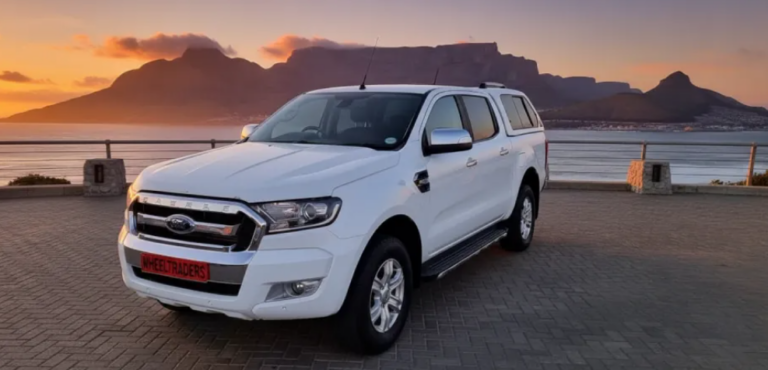
2018 Ford Ranger
R319,995
Cape Town, Western Cape

2021 Ford Ranger
R207,499
Johannesburg, Gauteng

2020 Ford Ranger
R324,990
Johannesburg, Gauteng
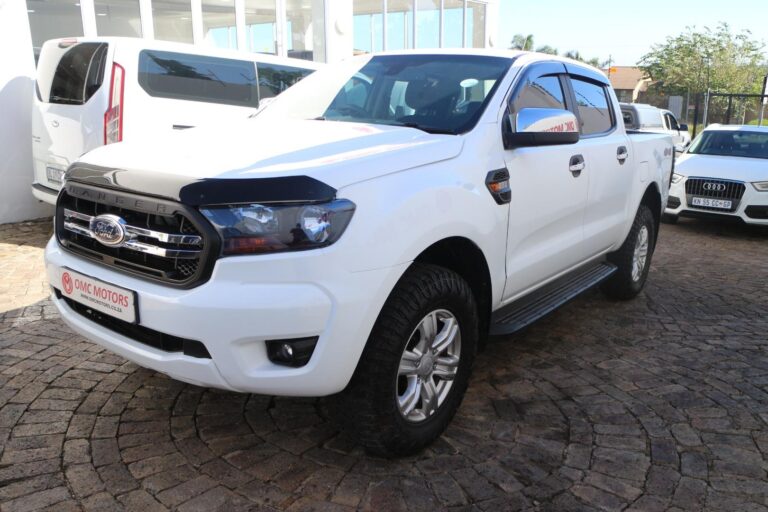
2021 Ford Ranger
R329,999
Johannesburg, Gauteng

2018 Ford Ranger
R243,999
Johannesburg, Gauteng

2023 Ford Ranger
R564,999
Johannesburg, Gauteng
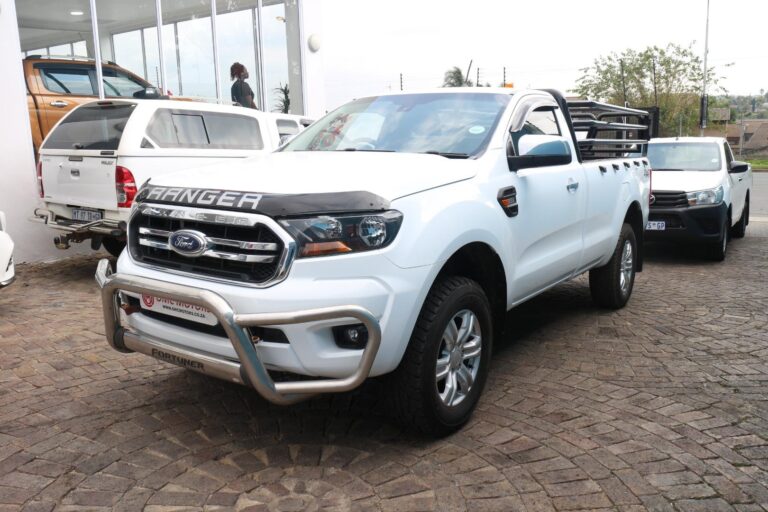
2020 Ford Ranger
R243,999
Johannesburg, Gauteng

2020 Ford Ranger
R264,999
Johannesburg, Gauteng
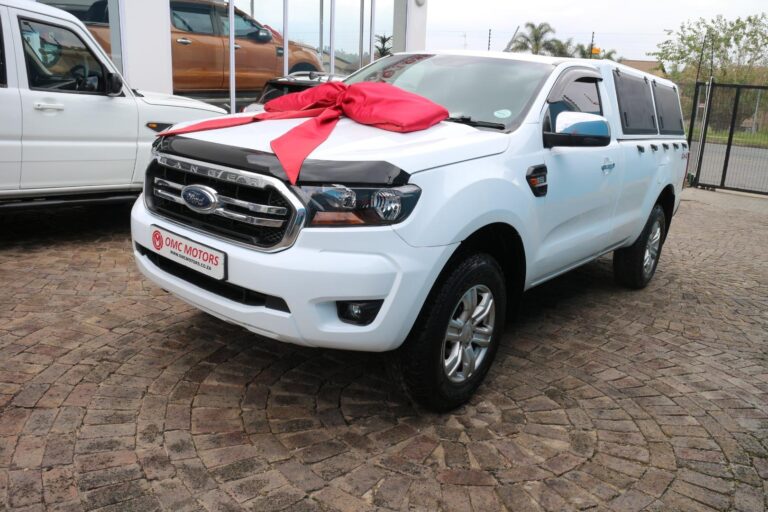
2020 Ford Ranger
R234,999
Johannesburg, Gauteng
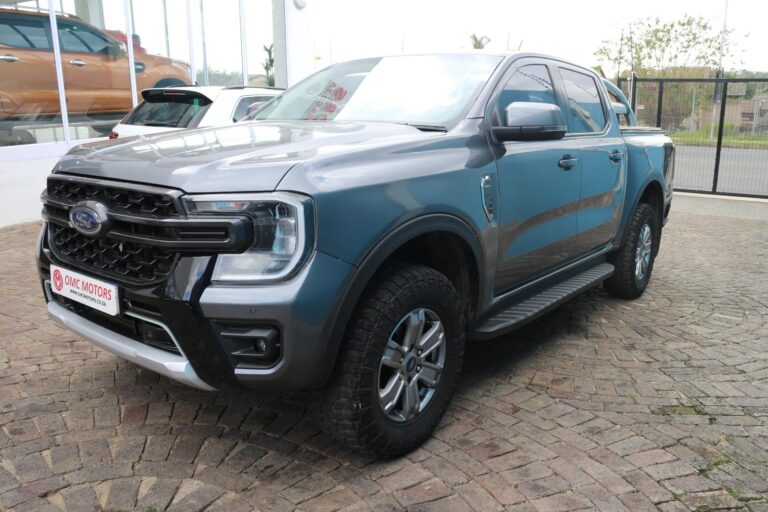
2023 Ford Ranger
R489,999
Johannesburg, Gauteng

2025 Ford Ranger
R479,999
Johannesburg, Gauteng
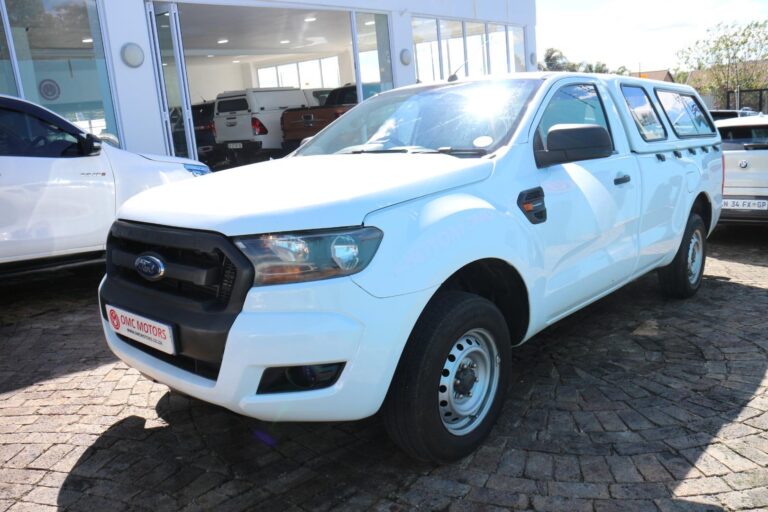
2019 Ford Ranger
R185,999
Johannesburg, Gauteng
Questions buyers often ask
What should I look for in a used Ford Ranger?
How can I ensure I'm buying a reliable vehicle?
Are there specific model years to avoid?
What is the best way to compare used car listings?
Should I get a pre-purchase inspection?
Continue exploring SearchMyRide
Browse closely related guides and useful SearchMyRide resources for your next step.
