SEARCHMYRIDEBLACK
FRIDAY
SHOP DEALS  →
SearchMyRide automotive artwork featuring a charcoal Suzuki Swift

Best Cars for Towing a Caravan in South Africa

Best Cars for Towing a Caravan in South Africa: Compare vehicles against measurable South African road and usage requirements. Compare practical checks, live

Explore available cars

Compare Cars Related to This Guide

Buyer research

Compact Buying Guide

Best Cars for Towing a Caravan in South Africa is a practical SearchMyRide resource for South African motorists. Compare vehicles against measurable South African road and usage requirements.

The page combines clear decision criteria, realistic limitations and—where relevant—live SearchMyRide inventory. Figures and eligibility information are planning guidance rather than a quote, formal valuation, platform approval or lender decision.

Read the full buying guide

Choosing the right vehicle for towing a caravan in South Africa is crucial for safe and enjoyable travels. This guide outlines the best cars suited for towing, key specifications to consider, and practical steps to ensure you make an informed decision. From engine power to towing capacity, we cover everything you need to know to select the perfect towing vehicle for your caravan adventures.

Quick answer

Top Cars for Towing Caravans

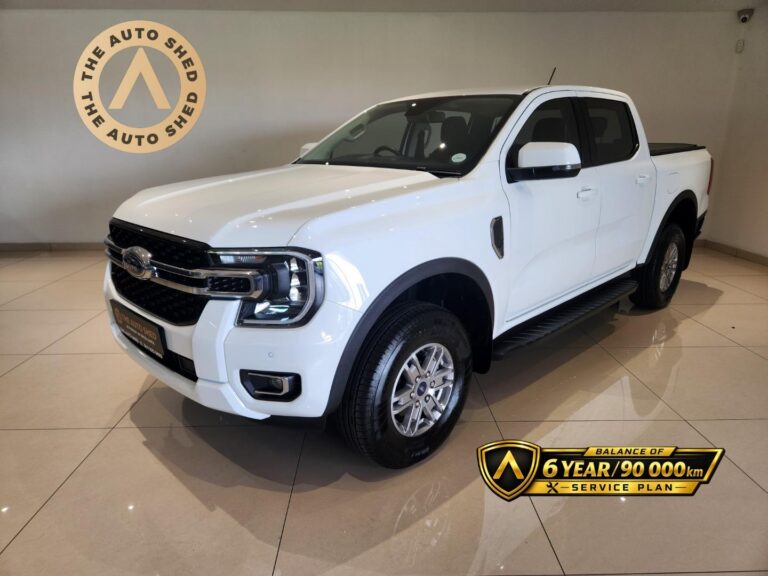
The best cars for towing a caravan in South Africa typically include SUVs and bakkies with robust towing capacities. Popular models include the Toyota Fortuner, Ford Ranger, and Isuzu D-Max, all known for their reliability and power. Each model offers different towing capacities, so it’s essential to match your caravan's weight with the vehicle's specifications.

  • Toyota Fortuner
  • Ford Ranger
  • Isuzu D-Max
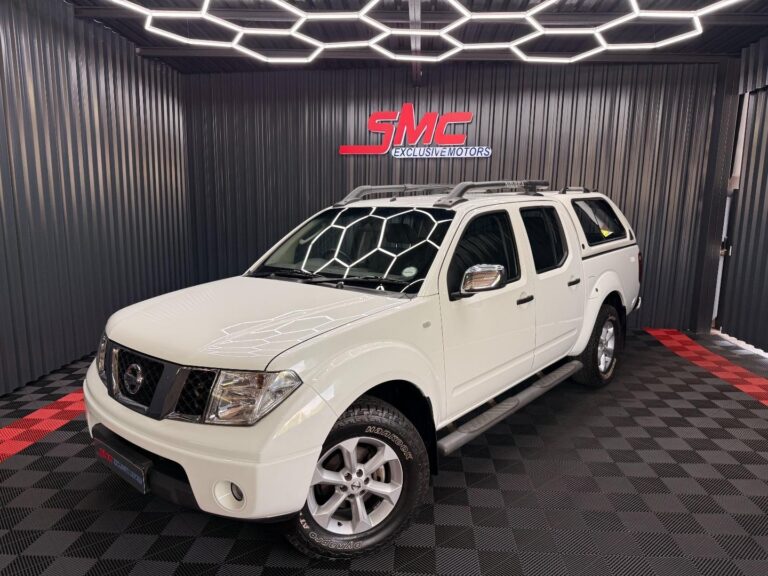
  • Nissan Navara
  • Volkswagen Amarok

Understanding Towing Capacity

Towing capacity refers to the maximum weight a vehicle can safely tow. This is crucial when selecting a car for towing a caravan. Each vehicle model has a specific towing capacity, which can be found in the owner's manual or manufacturer specifications. Ensure that the weight of your caravan, including all gear and supplies, does not exceed this limit.

  • Check the vehicle's Gross Vehicle Mass (GVM) and Gross Combination Mass (GCM).
  • Consider the caravan's fully loaded weight.
  • Always allow for a safety margin below the maximum towing capacity.

Key Features to Look For

When choosing a vehicle for towing, consider features that enhance towing performance. Look for vehicles equipped with a strong engine, a reliable transmission, and advanced towing technologies such as trailer sway control and hill start assist.

  • Powerful diesel engines are often preferred for towing.
  • Automatic transmissions can provide smoother towing experiences.
  • Look for integrated towing packages that include hitch receivers and wiring.

Safety Considerations

Towing a caravan introduces additional safety concerns. Ensure that your vehicle is equipped with proper brakes, and check that the caravan’s brakes are functioning correctly. Additionally, consider the weight distribution within the caravan to prevent swaying during travel.

  • Always use a weight distribution hitch for better stability.
  • Regularly inspect both the vehicle and caravan brakes.
  • Ensure that your tyres are suitable for towing and properly inflated.

Preparing for Your Towing Journey

Before embarking on a journey with your caravan, conduct a thorough inspection of both the vehicle and the caravan. Check fluid levels, tyre pressures, and ensure all lights are functioning. Practicing towing in a safe environment can also help you get accustomed to handling the extra weight.

  • Perform a pre-trip inspection checklist.
  • Practice reversing and manoeuvring with the caravan attached.
  • Plan your route, considering road conditions and towing restrictions.
Action plan

Towing Vehicle Selection Checklist

  1. Verify the towing capacity of the vehicle matches your caravan's weight.
  2. Check for necessary towing features and technologies.
  3. Inspect the vehicle and caravan for roadworthiness.
  4. Ensure all towing equipment is in good condition.
  5. Confirm legal requirements for towing are met.
  6. Practice towing in a safe area before long trips.
  7. Plan your route considering towing restrictions.
Protect your decision

Mistakes to avoid

Ignoring Towing Capacity

Overloading your vehicle can lead to dangerous driving conditions and potential legal issues. Always check the manufacturer's specifications.

Neglecting Safety Features

Failing to use safety features like weight distribution hitches can result in instability while towing. Ensure all safety equipment is in place.

Not Practicing Towing

Towing a caravan requires different driving skills. Not practicing can lead to accidents. Spend time getting comfortable with the vehicle and caravan.

Forgetting Legal Requirements

Not adhering to towing regulations can result in fines or accidents. Always verify local laws before towing.

Clear answers

Frequently asked questions

What is the best vehicle for towing a caravan?

The best vehicles for towing caravans in South Africa include the Toyota Fortuner, Ford Ranger, and Isuzu D-Max, all known for their strong towing capacities.

How do I determine my caravan's weight?

You can find your caravan's weight on the manufacturer's plate or by using a weighbridge for an accurate measurement.

What features should I look for in a towing vehicle?

Look for a vehicle with a powerful engine, good transmission, and safety features like trailer sway control.

Are there any legal requirements for towing in South Africa?

Yes, you must ensure your vehicle is registered for towing and your caravan is roadworthy. Familiarise yourself with local towing laws.

Can I tow with a petrol vehicle?

Yes, petrol vehicles can tow, but diesel engines are often preferred for their torque and efficiency when towing heavy loads.

Primary references

Official information to verify

Important: This content is based on general knowledge and should be verified against specific vehicle specifications and local regulations before making a purchase.

Match the vehicle to the road

Ground clearance is only one factor. Tyre sidewall, wheel size, suspension travel, underbody protection, turning circle, spare-wheel arrangement and parts availability affect South African daily use.

Calculate load and towing properly

Use the manufacturer limits for the exact derivative and include passengers, luggage, accessories and trailer download. Towing capacity does not automatically mean the vehicle will be comfortable or economical at the maximum figure.

Plan for local support

Consider the service network, tyre availability, common replacement parts, corrosion exposure and downtime in the areas where the vehicle will actually operate.

Comparison checklist

Ground clearance

Tyre sidewall

Suspension and durability

Fuel range

Towing or payload

Parts and service network

Before you decide

  • Compare at least three genuinely similar vehicles, quotes or options.
  • Ask for supporting documents and important claims in writing.
  • Budget for insurance, registration, fuel or charging, maintenance and unexpected repairs.
  • Use an independent inspection where condition or mechanical risk matters.
  • Use SearchMyRide tools and live listings as research support, not a guarantee.
Buyer questions

FAQs

How should I use this Best Cars for Towing a Caravan in South Africa guide?
Use it to build a shortlist, compare like-for-like options and identify questions that need written confirmation before you proceed.
Are the prices or costs guaranteed?
No. Listings, repair ranges, finance examples and ownership estimates are guidance. Actual amounts depend on the vehicle, provider, location, condition and timing.
Can I compare live cars on SearchMyRide?
Where matching inventory is available, the page shows related SearchMyRide listings so you can compare asking prices, mileage, location and seller information.
What should I verify independently?
Verify important documents, eligibility, vehicle condition, warranty, finance, legal status and seller claims with the relevant provider or authority.