

Bolt Vehicle Requirements South Africa
Bolt Vehicle Requirements South Africa: Review current platform considerations and compare potentially suitable live vehicles. Compare practical checks, live
Search Cars Your Way
Compare Cars Related to This Guide
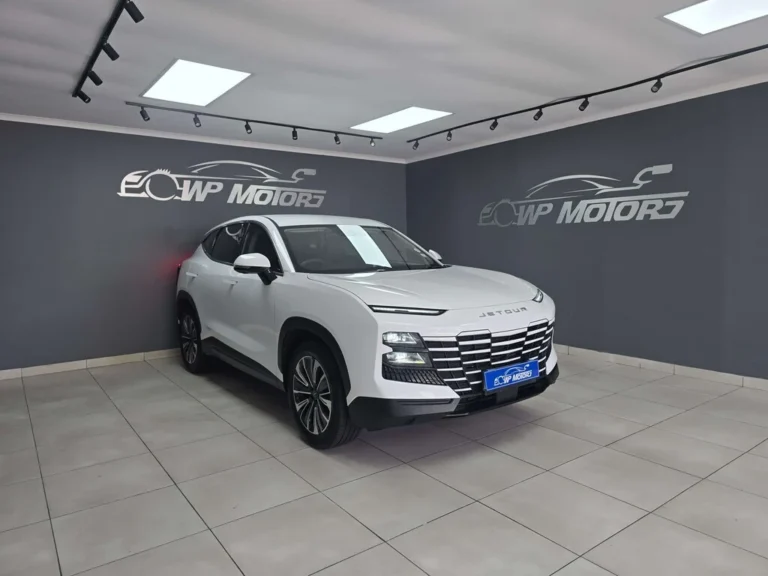
2026 Jetour Dashing
R399,900
Bellville, Western Cape
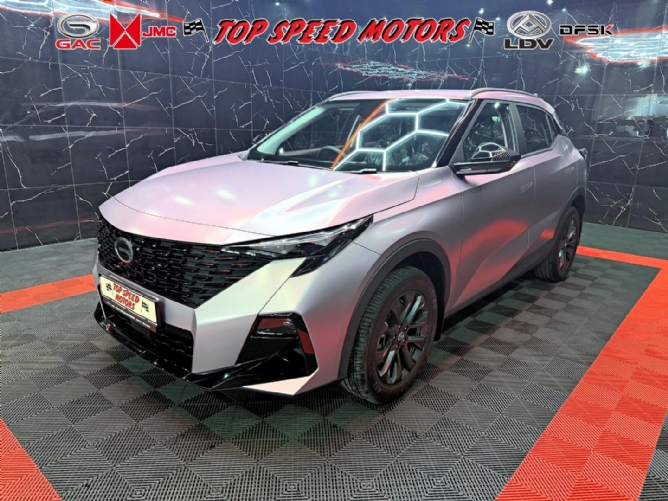
2026 Gac GS3
R359,950
Vanderbijlpark, Gauteng
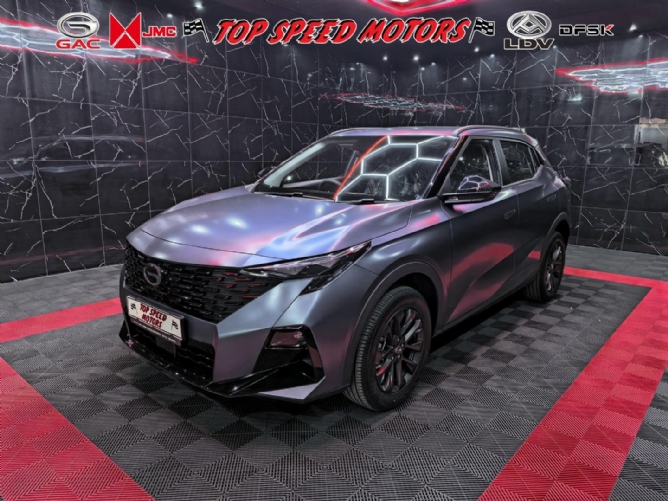
2026 Gac GS3
R359,950
Vanderbijlpark, Gauteng
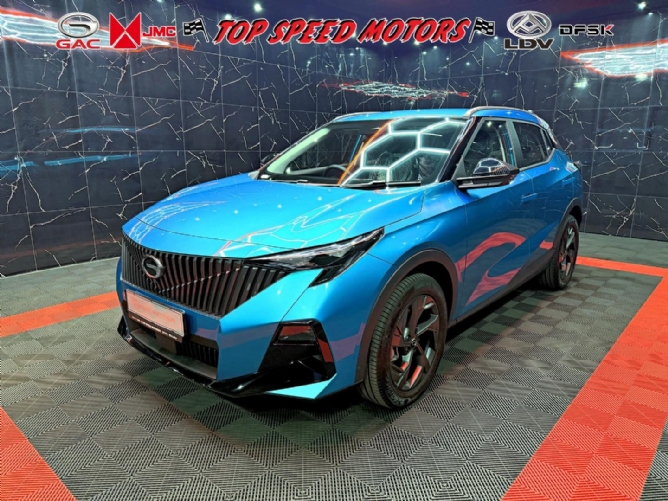
2026 Gac GS3
R379,950
Vanderbijlpark, Gauteng
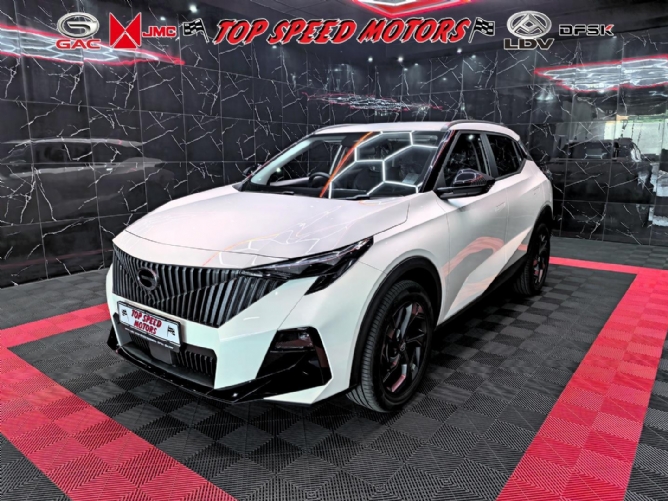
2026 Gac GS3
R379,950
Vanderbijlpark, Gauteng
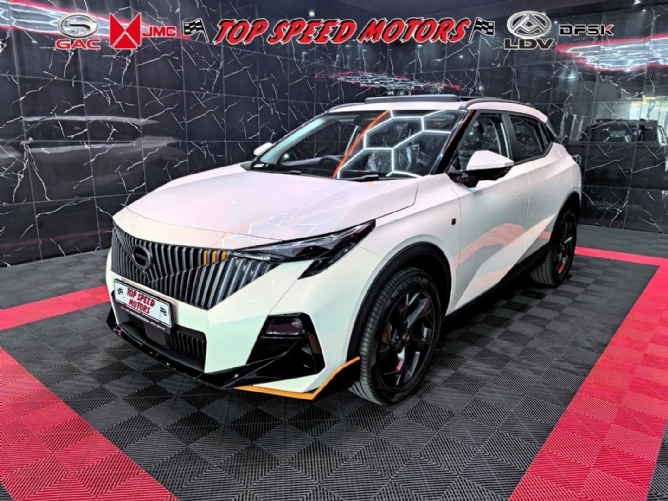
2026 Gac GS3
R449,950
Vanderbijlpark, Gauteng
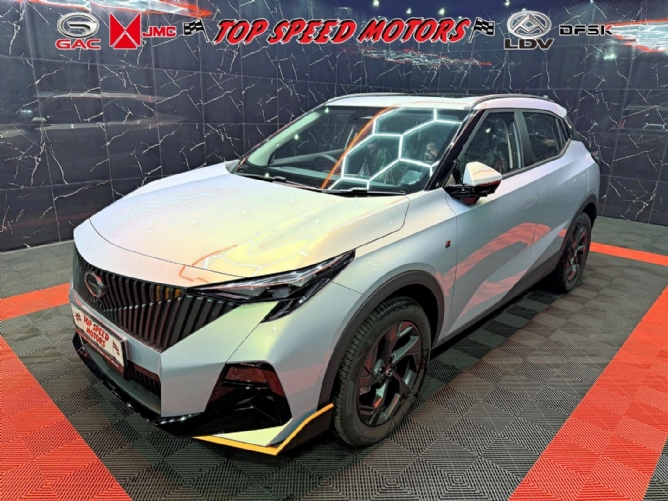
2026 Gac GS3
R449,950
Vanderbijlpark, Gauteng

2026 Mercedes-AMG G-Class
R5,499,900
Centurion, Gauteng
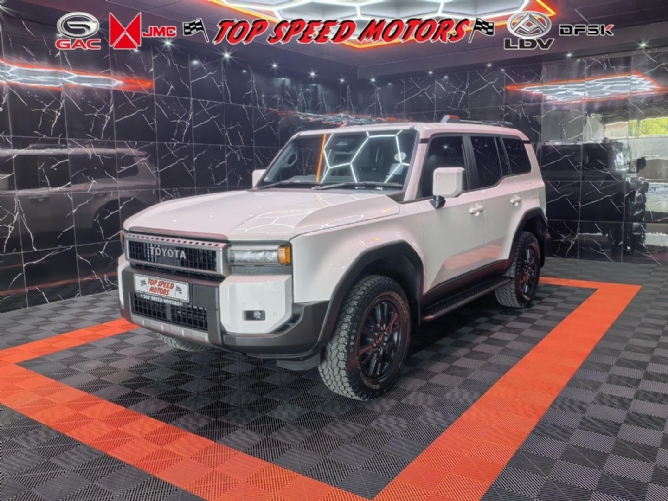
2026 Toyota Land Cruiser Prado
R1,279,950
Vanderbijlpark, Gauteng
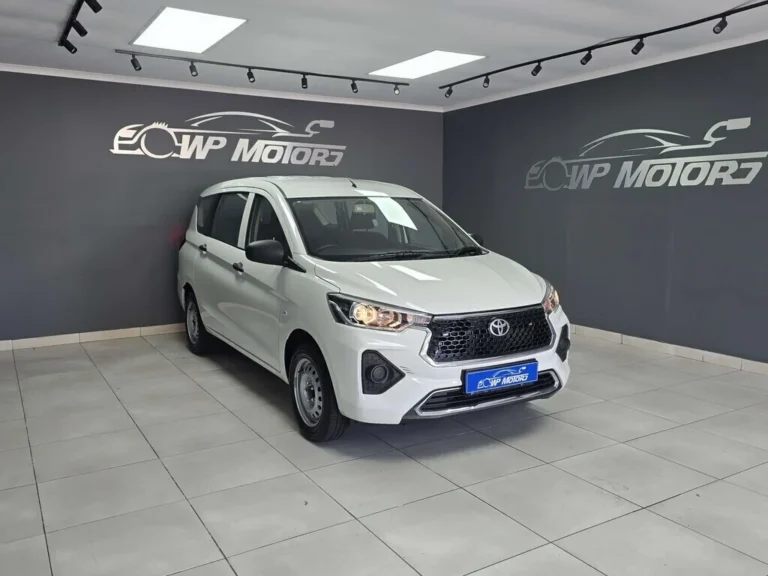
2026 Toyota Rumion
R359,900
Bellville, Western Cape
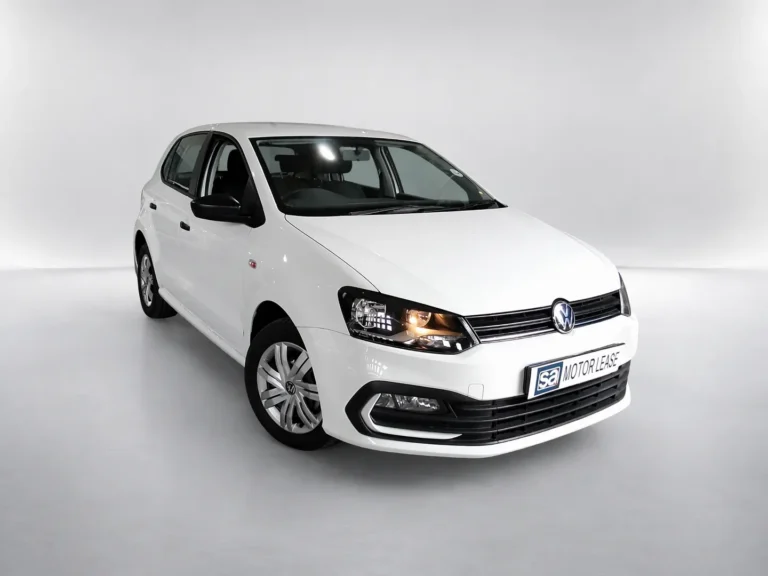
2026 Volkswagen Polo
Sandton, Gauteng
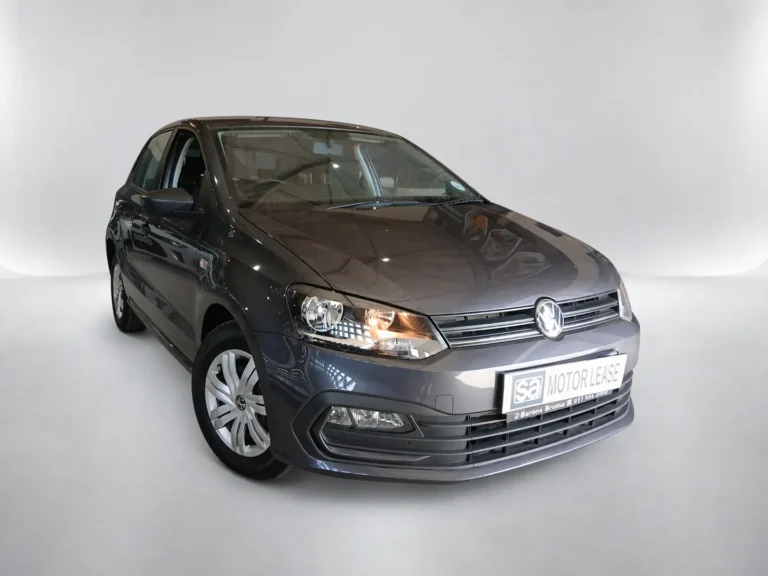
2026 Volkswagen Polo
Sandton, Gauteng
Compact Buying Guide
Bolt Vehicle Requirements South Africa is a practical SearchMyRide resource for South African motorists. Review current platform considerations and compare potentially suitable live vehicles.
The page combines clear decision criteria, realistic limitations and—where relevant—live SearchMyRide inventory. Figures and eligibility information are planning guidance rather than a quote, formal valuation, platform approval or lender decision.
Read the full buying guide
FAQs
How should I use this Bolt Vehicle Requirements South Africa guide?
Are the prices or costs guaranteed?
Can I compare live cars on SearchMyRide?
What should I verify independently?
Explore Car Finance Pages
Browse SearchMyRide finance guides by vehicle and buyer needs.
Make and Model Finance
- Audi A1 Finance Options
- Audi A3 Finance Options
- Audi A4 Finance Options
- Audi Cars Available on Finance
- Audi Q3 Finance Options
- Audi Q5 Finance Options
- Audi RS3 Finance Options
- Audi S3 Finance Options
- Audi TT Finance Options
- Baic B30 Finance Options
- Baic Beijing X55 Finance Options
- Baic Cars Available on Finance
- BMW 1 Series Finance Options
- BMW 3 Series Finance Options
- BMW Cars Available on Finance
- BMW M3 Finance Options
- BMW M4 Finance Options
- BMW X1 Finance Options
- BMW X3 Finance Options
- BMW X5 Finance Options
- BMW X6 Finance Options
- Chery Cars Available on Finance
- Chery Tiggo 8 PRO Finance Options
- Chery Tiggo Finance Options
- Citroen Cars Available on Finance
- Ford Cars Available on Finance
- Ford Ecosport Finance Options
- Ford Everest Finance Options
- Ford Fiesta Finance Options
- Ford Figo Finance Options
- Ford Focus Finance Options
- Ford Ranger Finance Options
- Haval Cars Available on Finance
- Haval H6 Finance Options
- Haval Jolion Finance Options
- Honda Amaze Finance Options
- Honda BR-V Finance Options
- Honda Cars Available on Finance
- Honda CR-V Finance Options
- Honda Elevate Finance Options
- Honda HR-V Finance Options
- Hyundai Accent Finance Options
- Hyundai Atos Finance Options
- Hyundai Cars Available on Finance
- Hyundai Grand i10 Finance Options
- Hyundai H-1 Finance Options
- Hyundai I10 Finance Options
- Hyundai i20 Finance Options
- Hyundai Tucson Finance Options
- Hyundai Venue Finance Options
- Isuzu Cars Available on Finance
- Isuzu D-Max Finance Options
- Isuzu KB Finance Options
- JAC Cars Available on Finance
- JAC T6 Finance Options
- JAC T8 Finance Options
- JAC T9 Finance Options
- JAC X200 Finance Options
- JMC Carrying Plus Finance Options
- JMC Cars Available on Finance
- JMC Vigus Finance Options
- Kia Cars Available on Finance
- Kia Picanto Finance Options
- Kia RIO Finance Options
- Kia Seltos Finance Options
- Kia Sonet Finance Options
- Kia Sportage Finance Options
- Land Rover Cars Available on Finance
- Land Rover Defender Finance Options
- Land Rover Discovery Finance Options
- Land Rover Range Finance Options
- Land Rover Range Rover Sport Finance Options
- Mazda Cars Available on Finance
- Mazda CX-5 Finance Options
- Mazda MAZDA2 Finance Options
- Mercedes-Benz A Class Finance Options
- Mercedes-Benz AMG Finance Options
- Mercedes-Benz C-Class Finance Options
- Mercedes-Benz Cars Available on Finance
- Mercedes-Benz G63 Finance Options
- Mercedes-Benz GLC Finance Options
- Mercedes-Benz V Class Finance Options
- Mercedes-Benz V300D Finance Options
- Mercedes-Benz Vito Finance Options
- Nissan Almera Finance Options
- Nissan Cars Available on Finance
- Nissan Magnite Finance Options
- Nissan Navara Finance Options
- Nissan NP200 Finance Options
- Nissan Qashqai Finance Options
- Nissan X-Trail Finance Options
- Offer Cars Available on Finance
- Porsche 911 Finance Options
- Porsche Boxster Finance Options
- Porsche Cars Available on Finance
- Porsche Cayenne Finance Options
- Porsche Macan Finance Options
- Renault Cars Available on Finance
- Renault Clio IV Finance Options
- Renault Duster Finance Options
- Renault Kwid Finance Options
- Renault Megane Finance Options
- Renault Sandero Finance Options
- Renault Triber Finance Options
- Suzuki Baleno Finance Options
- Suzuki Cars Available on Finance
- Suzuki Ertiga Finance Options
- Suzuki Fronx Finance Options
- Suzuki Jimny Finance Options
- Suzuki S-Presso Finance Options
- Suzuki Swift Finance Options
- Toyota Cars Available on Finance
- Toyota Corolla Cross Finance Options
- Toyota Corolla Finance Options
- Toyota Etios Finance Options
- Toyota Fortuner Finance Options
- Toyota HI-LUX Finance Options
- Toyota Hilux Finance Options
- Toyota Land Cruiser Finance Options
- Toyota Starlet Finance Options
- Toyota Vitz Finance Options
- Volkswagen Amarok Finance Options
- Volkswagen Caddy Finance Options
- Volkswagen Cars Available on Finance
- Volkswagen Golf 7 Finance Options
- Volkswagen Golf Finance Options
- Volkswagen Polo Finance Options
- Volkswagen Polo Vivo Finance Options
- Volkswagen T-Cross Finance Options
- Volkswagen Tiguan Finance Options
Finance by Location
- Cars Available on Finance in Ballito
- Cars Available on Finance in Bedfordview
- Cars Available on Finance in Bellville
- Cars Available on Finance in Boksburg
- Cars Available on Finance in Cape Town
- Cars Available on Finance in Centurion
- Cars Available on Finance in Eastern Cape
- Cars Available on Finance in Gauteng
- Cars Available on Finance in George
- Cars Available on Finance in Goodwood
- Cars Available on Finance in Humansdorp
- Cars Available on Finance in Johannesburg
- Cars Available on Finance in Kimberley
- Cars Available on Finance in Klerksdorp
- Cars Available on Finance in Kuils River
- Cars Available on Finance in KwaZulu-Natal
- Cars Available on Finance in Location: Cape Town
- Cars Available on Finance in Midrand
- Cars Available on Finance in Mpumalanga
- Cars Available on Finance in Newcastle
- Cars Available on Finance in North West
- Cars Available on Finance in Northern Cape
- Cars Available on Finance in Paarl
- Cars Available on Finance in Pretoria
- Cars Available on Finance in Sandton
- Cars Available on Finance in Secunda
- Cars Available on Finance in Springs
- Cars Available on Finance in Western Cape
- Used Car Finance in Cape Town
- Used Car Finance in Johannesburg
- Used Car Finance in Pretoria
Finance by Vehicle Type
- Automatic Cars Available on Finance
- Bakkies Available on Finance
- Convertibles Available on Finance
- Coupes Available on Finance
- Crewbus Vehicles Available on Finance
- Extended CAB Vehicles Available on Finance
- Fastback Vehicles Available on Finance
- Hatchbacks Available on Finance
- Lightcommercialvehicle Vehicles Available on Finance
- MPVs Available on Finance
- Multipurposevehicle Vehicles Available on Finance
- Other Vehicles Available on Finance
- Sedans Available on Finance
- Station Wagons Available on Finance
- Supercab Vehicles Available on Finance
- SUVs Available on Finance
Finance by Budget, Year and Mileage
- 2015 Cars Available on Finance
- 2016 Cars Available on Finance
- 2017 Cars Available on Finance
- 2018 Cars Available on Finance
- 2019 Cars Available on Finance
- 2019 Ford Ecosport Finance Options
- 2019 Ford Ranger Finance Options
- 2019 Toyota HI-LUX Finance Options
- 2019 Volkswagen Polo Finance Options
- 2020 Cars Available on Finance
- 2020 Ford Ranger Finance Options
- 2020 Toyota Fortuner Finance Options
- 2020 Toyota HI-LUX Finance Options
- 2020 Volkswagen Polo Finance Options
- 2021 Cars Available on Finance
- 2021 Ford Ecosport Finance Options
- 2021 Ford Ranger Finance Options
- 2021 Toyota Fortuner Finance Options
- 2021 Toyota HI-LUX Finance Options
- 2021 Volkswagen Polo Finance Options
- 2021 Volkswagen Polo Vivo Finance Options
- 2022 Cars Available on Finance
- 2022 Ford Ranger Finance Options
- 2022 Toyota HI-LUX Finance Options
- 2022 Volkswagen Polo Finance Options
- 2022 Volkswagen Polo Vivo Finance Options
- 2023 Cars Available on Finance
- 2023 Ford Ranger Finance Options
- 2023 Land Rover Range Finance Options
- 2023 Toyota Corolla Cross Finance Options
- 2023 Toyota Fortuner Finance Options
- 2023 Toyota HI-LUX Finance Options
- 2023 Volkswagen Polo Vivo Finance Options
- 2024 Cars Available on Finance
- 2024 Ford Ranger Finance Options
- 2024 Toyota Corolla Cross Finance Options
- 2024 Toyota HI-LUX Finance Options
- 2024 Volkswagen Polo Vivo Finance Options
- 2025 Cars Available on Finance
- 2025 Ford Ranger Finance Options
- 2025 Land Rover Range Finance Options
- 2025 Suzuki Swift Finance Options
- 2025 Toyota Corolla Cross Finance Options
- 2025 Toyota Fortuner Finance Options
- 2025 Toyota HI-LUX Finance Options
- 2025 Volkswagen Polo Finance Options
- 2025 Volkswagen Polo Vivo Finance Options
- 2026 Cars Available on Finance
- 2026 Ford Ranger Finance Options
- 2026 Suzuki Swift Finance Options
- 2026 Toyota HI-LUX Finance Options
- Hatchbacks Under R5,000 per Month on Finance
- Sedans Under R6,000 per Month on Finance
- SUVs Under R10,000 per Month on Finance
- Used Cars 100,000 to 150,000 km Available on Finance
- Used Cars 150,000 to 200,000 km Available on Finance
- Used Cars 50,000 to 100,000 km Available on Finance
- Used Cars Under 50,000 km Available on Finance
Finance by Buyer Type and Use Case
Other Finance Pages
- Automatic Bakkies Under R400,000 on Finance
- Automatic Crossovers Under R200,000 on Finance
- Automatic Crossovers Under R400,000 on Finance
- Automatic Ford Ranger on Finance
- Automatic Hatchbacks Under R200,000 on Finance
- Automatic Hatchbacks Under R400,000 on Finance
- Automatic Sedans Under R200,000 on Finance
- Automatic Sedans Under R400,000 on Finance
- Automatic SUVs Under R200,000 on Finance
- Automatic SUVs Under R400,000 on Finance
- Automatic Suzuki Swift on Finance
- Automatic Toyota Fortuner on Finance
- Automatic Toyota Hilux on Finance
- Automatic Volkswagen Polo on Finance
- Bakkies Around R10,000/Month in Cape Town u2014 Finance Stock
- Bakkies Around R10,000/Month in Gauteng u2014 Finance Stock
- Bakkies on Finance in Cape Town
- Bakkies on Finance in Johannesburg
- Bakkies on Finance in Pretoria
- Bakkies Under R200,000 on Finance in Johannesburg
- Bakkies Under R400,000 on Finance in Cape Town
- Bakkies Under R400,000 on Finance in Johannesburg
- BMW Cars on Finance in Cape Town
- BMW Cars on Finance in Johannesburg
- City Commuter Hatchbacks Under R220,000 on Finance in Cape Town
- City Commuter Hatchbacks Under R220,000 on Finance in Johannesburg
- Crossovers Around R10,000/Month in Cape Town u2014 Finance Stock
- Crossovers Around R10,000/Month in Gauteng u2014 Finance Stock
- Crossovers on Finance in Cape Town
- Crossovers on Finance in Centurion
- Crossovers on Finance in Johannesburg
- Crossovers on Finance in Pretoria
- Crossovers Under R200,000 on Finance in Cape Town
- Crossovers Under R200,000 on Finance in Johannesburg
- Crossovers Under R400,000 on Finance in Cape Town
- Crossovers Under R400,000 on Finance in Johannesburg
- Family Commuter Sedans Under R230,000 on Finance in Johannesburg
- Family SUVs Under R350,000 on Finance in Cape Town
- Family SUVs Under R350,000 on Finance in Johannesburg
- First Time Buyer Hatchbacks Under R160,000 on Finance in Cape Town
- First Time Buyer Hatchbacks Under R160,000 on Finance in Johannesburg
- Ford Cars on Finance in Cape Town
- Ford Cars on Finance in Johannesburg
- Ford Cars on Finance in Pretoria
- Ford Ranger Finance in Johannesburg
- Ford Ranger Under R400,000 on Finance
- Hatchbacks Around R5,000/Month in Cape Town u2014 Finance Stock
- Hatchbacks Around R5,000/Month in Gauteng u2014 Finance Stock
- Hatchbacks on Finance in Cape Town
- Hatchbacks on Finance in Centurion
- Hatchbacks on Finance in Johannesburg
- Hatchbacks on Finance in Pretoria
- Hatchbacks Under R200,000 on Finance in Cape Town
- Hatchbacks Under R200,000 on Finance in Johannesburg
- Hatchbacks Under R400,000 on Finance in Cape Town
- Hatchbacks Under R400,000 on Finance in Johannesburg
- Haval Cars on Finance in Johannesburg
- Hyundai Cars on Finance in Cape Town
- Hyundai Cars on Finance in Johannesburg
- Kia Cars on Finance in Cape Town
- Kia Cars on Finance in Johannesburg
- Manual Bakkies Under R200,000 on Finance
- Manual Bakkies Under R400,000 on Finance
- Manual Crossovers Under R200,000 on Finance
- Manual Crossovers Under R400,000 on Finance
- Manual Hatchbacks Under R200,000 on Finance
- Manual Hatchbacks Under R400,000 on Finance
- Manual Sedans Under R200,000 on Finance
- Manual Sedans Under R400,000 on Finance
- Manual SUVs Under R200,000 on Finance
- Manual SUVs Under R400,000 on Finance
- Nissan Cars on Finance in Cape Town
- Nissan Cars on Finance in Johannesburg
- Nissan Cars on Finance in Pretoria
- Sedans Around R5,000/Month in Gauteng u2014 Finance Stock
- Sedans on Finance in Cape Town
- Sedans on Finance in Centurion
- Sedans on Finance in Johannesburg
- Sedans on Finance in Pretoria
- Sedans Under R200,000 on Finance in Cape Town
- Sedans Under R200,000 on Finance in Johannesburg
- Sedans Under R400,000 on Finance in Johannesburg
- SUVs Around R10,000/Month in Cape Town u2014 Finance Stock
- SUVs Around R10,000/Month in Gauteng u2014 Finance Stock
- SUVs on Finance in Cape Town
- SUVs on Finance in Centurion
- SUVs on Finance in Johannesburg
- SUVs on Finance in Pretoria
- SUVs Under R200,000 on Finance in Cape Town
- SUVs Under R200,000 on Finance in Johannesburg
- SUVs Under R400,000 on Finance in Cape Town
- SUVs Under R400,000 on Finance in Johannesburg
- Suzuki Cars on Finance in Cape Town
- Suzuki Cars on Finance in Johannesburg
- Suzuki Swift Finance in Cape Town
- Suzuki Swift Under R200,000 on Finance
- Toyota Cars on Finance in Cape Town
- Toyota Cars on Finance in Johannesburg
- Toyota Cars on Finance in Pretoria
- Toyota Fortuner Under R400,000 on Finance
- Toyota Hilux Finance in Johannesburg
- Toyota Hilux Under R400,000 on Finance
- Volkswagen Cars on Finance in Cape Town
- Volkswagen Cars on Finance in Johannesburg
- Volkswagen Polo Finance in Johannesburg
- Volkswagen Polo Under R200,000 on Finance
- Volkswagen Polo Under R400,000 on Finance
- Volkswagen Polo Vivo Under R200,000 on Finance
- Work Bakkies Under R450,000 on Finance in Cape Town
- Work Bakkies Under R450,000 on Finance in Johannesburg
351 finance pages
