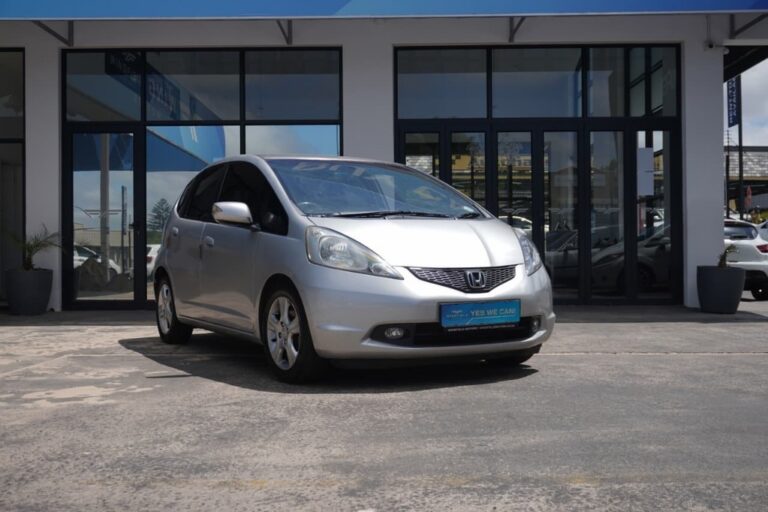
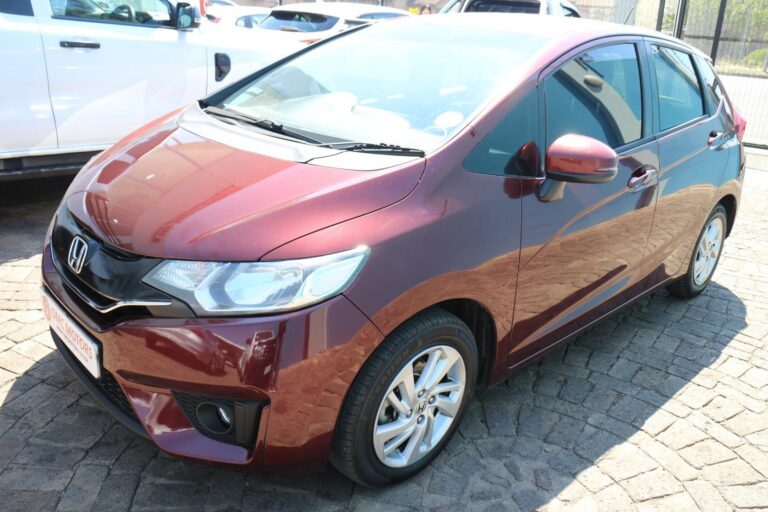
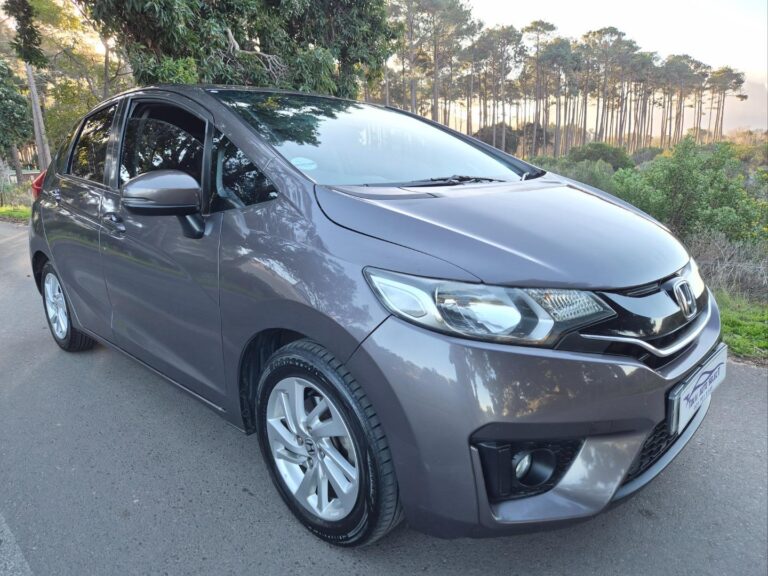
The Honda Jazz is a popular choice among South African used-car buyers for its practicality, fuel efficiency, and reputation for reliability. However, like any vehicle, certain issues may arise over time. Understanding these potential problems can help you make an informed decision when considering a used Honda Jazz. Remember, not every vehicle will experience these issues, and factors such as model year, maintenance history, mileage, and previous use play significant roles in a vehicle's condition.
Read the full buying guide ⌄
The Honda Jazz is a well-regarded hatchback in South Africa, known for its practicality and fuel efficiency. However, potential buyers should be aware of specific issues that may arise with this model. This guide details common problems reported by owners, how to identify them, and provides practical advice on when to negotiate or walk away from a purchase.
Quick answer
Common Problems with the Honda Jazz
While the Honda Jazz is generally reliable, owners have reported issues primarily related to the electrical system, suspension, and engine performance. Understanding these common problems can help you make an informed decision when buying or maintaining a Jazz.
Electrical issues such as faulty sensors
Suspension noise and wear
Engine performance problems
Transmission irregularities
01
Understanding Reliability
Reliability in vehicles refers to the likelihood of a car performing well over time without significant issues. The Honda Jazz has a reputation for being reliable, but this can vary by model year and derivative. It's essential to consider owner-reported problems alongside any verified recalls or maintenance neglect. For instance, while newer models may have fewer issues, older versions might show signs of wear and tear.
02
Owner-Reported Patterns vs. Verified Recalls
While the Jazz has had some recalls, many reported issues stem from owner experiences rather than manufacturer defects. Common owner-reported problems include electrical faults, such as malfunctioning sensors, and suspension wear, particularly in older models. It's crucial to differentiate between these patterns and any official recalls, which can be checked through Honda's official channels.
Check for any outstanding recalls through the Honda website or local dealership.
03
Common Issues by Category
Identifying problems in specific areas can help you focus your inspection efforts. Below are common issues organised by category:
1. **Engine**: Some owners report irregular idling or decreased performance, particularly in older models. Look for any unusual noises or warning lights.
2. **Transmission**: Irregular shifting or slipping can occur, especially in automatic transmissions. Test the vehicle in various driving conditions.
3. **Electronics**: Faulty sensors and issues with the infotainment system are frequently reported. Ensure all electronic features function correctly during your inspection.
4. **Suspension**: Noises from the suspension may indicate wear, particularly in the front struts. Listen for clunks or rattles when driving over bumps.
5. **Cooling System**: Overheating can be a concern if the coolant is not maintained properly. Check for leaks or signs of coolant loss.
6. **Body**: Rust can develop in older models, particularly in areas exposed to road salt. Inspect the undercarriage and wheel wells for corrosion.
04
Model-Year and Derivative Differences
The Honda Jazz has undergone several updates since its introduction. Each model year may have different issues based on design changes and component upgrades. For instance, the 2015 model may have different electrical components compared to the 2018 model, which could affect reliability. Researching specific model years can provide insights into common problems associated with each derivative.
05
Pre-Purchase Inspection Checklist
When considering a Honda Jazz, a thorough inspection is crucial. Here’s a checklist to guide you:
1. **Engine**: Check for any warning lights on the dashboard and listen for unusual noises.
2. **Transmission**: Test drive to assess shifting smoothness and responsiveness.
3. **Electronics**: Ensure all electronic features function correctly, including lights, windows, and infotainment.
4. **Suspension**: Listen for any unusual noises while driving over bumps and check for uneven tyre wear.
5. **Cooling System**: Inspect for leaks or signs of overheating, and check the condition of hoses and belts.
6. **Body**: Look for rust or damage, especially in older models, and check for signs of previous accidents.
7. **Service History**: Verify regular maintenance and any repairs, ensuring that the vehicle has been well cared for.
06
When to Walk Away
If you encounter significant issues during your inspection, such as severe engine problems or extensive rust, it may be best to walk away. Additionally, if the seller cannot provide a complete service history or if the vehicle has multiple outstanding recalls, reconsider your purchase. Major repairs can be costly and may outweigh the benefits of buying the vehicle.
07
Negotiating Faults into the Price
Some faults can be negotiated into the price, especially if they are minor and easily fixable. For example, if the suspension needs minor repairs, you could use this as leverage to lower the price. However, ensure that any agreed repairs are documented and that you have a clear understanding of the costs involved. Major issues should be carefully considered before negotiating.
✓
Action plan
Honda Jazz Purchase Checklist
Verify the vehicle's service history.
Check for outstanding recalls.
Inspect the engine for warning lights.
Test drive to assess transmission performance.
Examine electronics and infotainment systems.
Listen for suspension noises during the drive.
Inspect the body for rust or damage.
!
Protect your decision
Mistakes to avoid
Ignoring Warning Lights
Warning lights can indicate serious issues. Always investigate before purchasing.
Neglecting Service History
A lack of service history can suggest neglect. Ensure regular maintenance has been performed.
Overlooking Recalls
Not checking for recalls can lead to missing critical repairs that affect safety.
Assuming All Models are the Same
Different model years may have different issues. Research specific models thoroughly.
?
Clear answers
Frequently asked questions
What are the most common problems with the Honda Jazz?
Common issues include electrical faults, suspension wear, and engine performance problems.
How can I check for recalls on a Honda Jazz?
You can check for recalls by visiting the Honda website or contacting a local dealership.
Is the Honda Jazz reliable?
The Honda Jazz is generally considered reliable, but issues can vary by model year and derivative.
What should I look for during a test drive?
Pay attention to the transmission's shifting, any unusual noises, and the responsiveness of electronics.
When should I walk away from a Honda Jazz purchase?
Walk away if there are significant issues like severe engine problems or extensive rust.
Important: This content is based on information available as of October 2023. Always verify the latest details with official sources or a qualified mechanic.
Used car research
Known common problem areas to check
When researching a used Honda Jazz, it's worth noting some commonly reported problem areas. While these issues may not affect every vehicle, being aware of them can assist you in your inspection and negotiation process. Always verify with the vehicle's service history or consider a professional inspection to ensure you're making a sound investment.
Transmission Issues
High
Common reports: Some owners report occasional transmission slippage or hesitation during acceleration. This may be more prevalent in older models or those with high mileage.
Buyer checks: During the test drive, pay attention to how the transmission shifts. It should feel smooth without any unusual delays or jerks. Ask the dealer about the vehicle's transmission service history.
Suspension Noises
Medium
Common reports: A few owners have noted clunking or rattling noises coming from the suspension, especially over bumps. This could indicate wear on suspension components.
Buyer checks: Listen for any unusual sounds while driving over uneven surfaces. Inspect the suspension components visually if possible, or ask for a detailed service history regarding suspension work.
Electrical Issues
Medium
Common reports: Some users have experienced electrical gremlins, such as dashboard warning lights or issues with power windows and locks. These problems can vary widely.
Buyer checks: Check all electrical features during your inspection, including lights, windows, and infotainment systems. Ask the dealer if any electrical issues have been reported or repaired.
Brake Wear
Medium
Common reports: Brake wear can be a concern, particularly in models with high mileage. Some owners have reported premature wear on brake pads and rotors.
Buyer checks: Inspect the brake pads and rotors for wear. During a test drive, listen for any unusual noises when braking and ensure the brakes feel responsive.
Interior Wear and Tear
Low
Common reports: Depending on the previous owner's usage, some Jazz models may show signs of interior wear, such as worn seats or dashboard cracking.
Buyer checks: Inspect the interior for any signs of excessive wear. Check the condition of the upholstery and dashboard, and ask about any previous interior repairs.
This section is for buyer research and inspection guidance only. It is not a claim that every
Honda Jazz has these problems.
Understanding the Honda Jazz
The Honda Jazz, known for its spacious interior and versatile seating arrangements, has garnered a loyal following among South African drivers. Its compact size makes it ideal for city driving, while its fuel efficiency appeals to those looking to save on running costs. However, as with any used vehicle, potential buyers should be aware of certain issues that may arise over time.
When considering a used Honda Jazz, it’s essential to conduct a thorough inspection and ask the right questions. This not only helps you gauge the vehicle's condition but also ensures that you are making a well-informed purchase.
Buyer checklist
Inspect the vehicle's exterior and interior for any signs of damage or excessive wear.
Take the car for a test drive to assess its handling, transmission, and braking performance.
Check for service history records to verify regular maintenance and any repairs performed.
Ask the dealer about the vehicle's previous ownership and usage, including any known issues.
Consider having a trusted mechanic conduct a pre-purchase inspection for peace of mind.
Compare available listings on SearchMyRide to find the best deals and options in your area.
Explore SearchMyRide
Internal Links
Explore related guides, listings and useful SearchMyRide resources.
Buyer questions
FAQs
What is the average fuel consumption of a Honda Jazz?
The Honda Jazz typically offers excellent fuel efficiency, averaging around 5 to 6 liters per 100 km, depending on the model year and driving conditions.
Are parts for the Honda Jazz readily available in South Africa?
Yes, parts for the Honda Jazz are generally available through various automotive suppliers and Honda dealerships across South Africa.
What is the typical service interval for a Honda Jazz?
Service intervals for the Honda Jazz are usually every 15,000 km or annually, whichever comes first, but it's best to check the owner's manual for specific recommendations.
How does the Honda Jazz compare to other compact cars?
The Honda Jazz is often praised for its spacious interior and practicality, making it a strong competitor in the compact car segment.
What should I do if I discover a problem after purchasing?
If you encounter any issues after your purchase, it's advisable to consult with a qualified mechanic and refer to any warranties or guarantees that may apply.
SearchMyRide AI
Hi, I'm SearchMyRide AI. Tap the mic and tell me what car you're looking for.
Complete Your Quiz
Let's complete your quiz and get you pre-approved?
You were just steps away from finding your perfect car match with flexible payment options!
Get your custom rent-to-own approval
See cars you can actually afford
Drive away in 48 days
✖
Smart AI-powered Search
Find Cars Faster
Personalised Results
Automatic Matching
Advanced Filtering
Welcome to AI Mode
Experience the future of car searching. AI-driven, intuitive, fast and personalised for YOU.
Looking for a specific car?
Tell us exactly what you want. We will match live stock, alert you in your Buyer Dashboard and notify only dealers with qualifying cars.
SearchMyRide AI wants to talk to you
Enable voice/audio so I can help with cars, parts, services and SearchMyRide tools.
SearchMyRide AI
Automotive Marketplace Assistant
Voice assistant ready.
Scroll up or down to browse results
Cookies & Privacy
This website uses cookies to ensure you get the best experience.
By continuing to use this site, you accept our use of cookies.
For more information, please read our
Privacy Policy.